Spring is the season when trees do most of their growing, which makes it the best time to help them along and to catch any trouble that winter left behind. None of this takes special skill; it is mostly a matter of paying attention. Here are five worthwhile steps.
One: look for winter damage
Start with a walk around each tree, looking specifically for what the cold season may have done: cracked or split limbs from ice and wind, broken or hanging branches, bark damaged by frost or by hungry animals, and any limb that failed to leaf out with the rest. Winter often leaves damage that is easy to miss until you go looking, and finding it now, before a summer storm tests it, is the whole point.
Two: inspect for pests and disease
As the leaves come out, watch how they come out. Look for spots, distortion, discoloration, or early wilting on new foliage, for chewing or holes, and for sticky residue or fine webbing that points to pests. Catching a pest or disease as it starts in spring is far easier than fighting it in full swing by summer, so an early, close look is time well spent.
Three: deal with critical issues first
If your spring inspection turns up something serious, a large dead or cracked limb over the house, a leaning tree, fungus at the base, address it before the routine care. These are the issues that turn into emergencies in a summer storm, and spring is a good, calm time to handle them on your schedule rather than in a crisis. If you are not sure how serious something is, this is exactly what a free estimate is for.
Four: prune with purpose
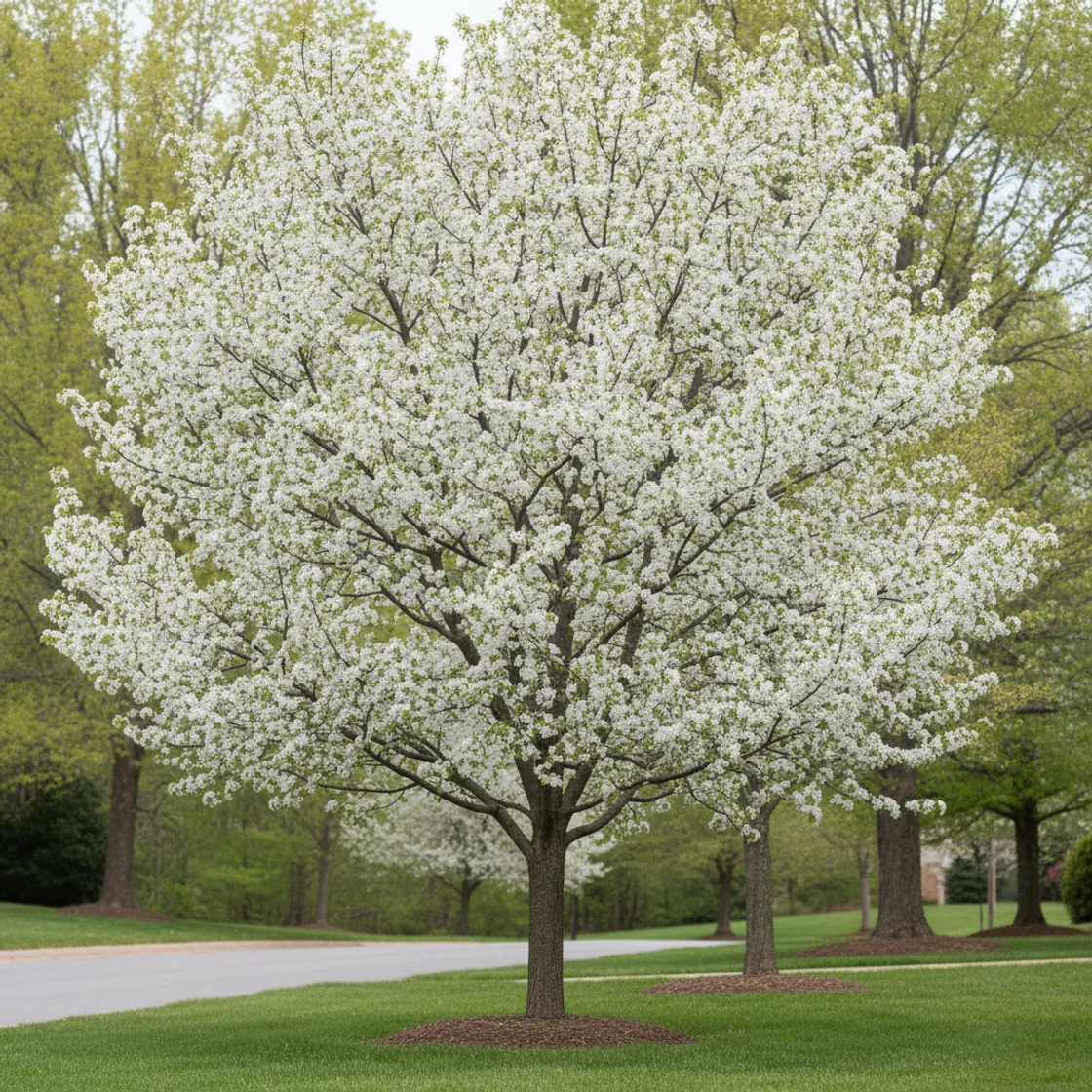
Spring is a fine time for light pruning to remove the dead, damaged, and crossing branches you found, with two cautions worth remembering: avoid heavy pruning of oaks now because of oak wilt, and hold off on spring-flowering trees until after they bloom so you do not cut off the show. Keep cuts light and purposeful, and leave anything high or heavy to a crew with the right equipment.
Five: mulch and feed
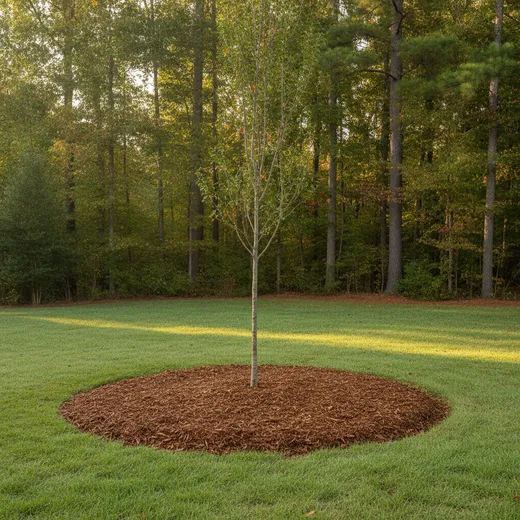
Finish by refreshing a ring of mulch two to three inches deep around each tree, pulled back from the trunk, to hold moisture and keep mowers away. Most established, healthy trees in decent soil do not need fertilizer, and feeding a tree that does not need it can do more harm than good, but a young, struggling, or newly planted tree can benefit from the right nutrients. When in doubt, a soil assessment tells you what, if anything, is actually missing.
How Engram's Tree Service can help
A good spring sets your trees up for the year, and we are glad to help with the parts that need a professional: assessing anything that looks wrong, pruning at height, or removing a hazard the winter left behind. For more on spring watering, see our post on watering trees in spring, and reach out for a free estimate whenever a tree has you wondering.