Spring is when trees wake up and put their energy into new leaves and roots, which makes it the season when watering matters most and where a few simple habits pay off all summer. It is also where well-meaning homeowners go wrong, usually by watering too often and too shallowly. Here is how to get it right.
Know when your trees leaf out
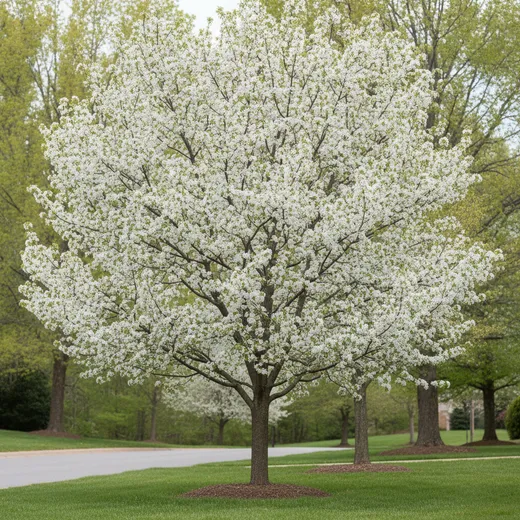
Watering follows the tree's own calendar, and that calendar is leaf-out, when the buds break and the new leaves push in spring. As a tree leafs out it starts drawing serious water to fuel the new growth, so the weeks around and after leaf-out are when consistent moisture matters most. In north Georgia that is generally early to mid spring, though it shifts a little year to year with the weather. Before leaf-out, an established tree needs little supplemental water; once the leaves are out and growing, demand climbs quickly.
Water deeply, not often
The single most useful rule is this: water deeply and infrequently rather than a little every day. Frequent shallow watering keeps roots up near the surface where they dry out fast and cannot anchor the tree. A long, slow soak that wets the soil about a foot down, once or twice a week when rain is short, trains roots to grow deep, which makes a tree both more drought-tolerant and more storm-resistant. Water at the outer edge of the canopy, where the active feeder roots are, not against the trunk.
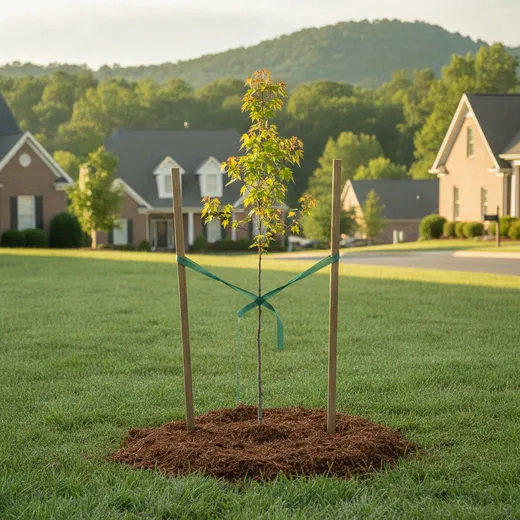
Newly planted trees are the exception that needs more attention: they have small root systems and need regular deep watering through their first couple of springs and summers while they establish.
Do not overwater
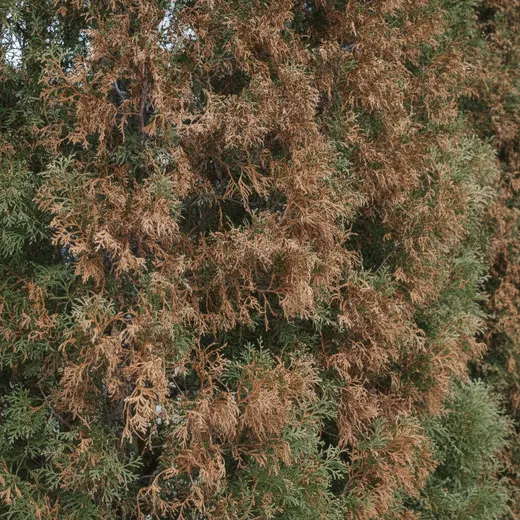
More is not better. Our red clay drains slowly, and roots sitting in constantly wet soil cannot get the oxygen they need, which stresses the tree just as drought does and can invite root rot. Before you water, check the soil a few inches down: if it is still moist, wait. After a good spring rain, an established tree usually needs nothing more. Let the soil, not the calendar, tell you when to water.
Fold it into a spring routine
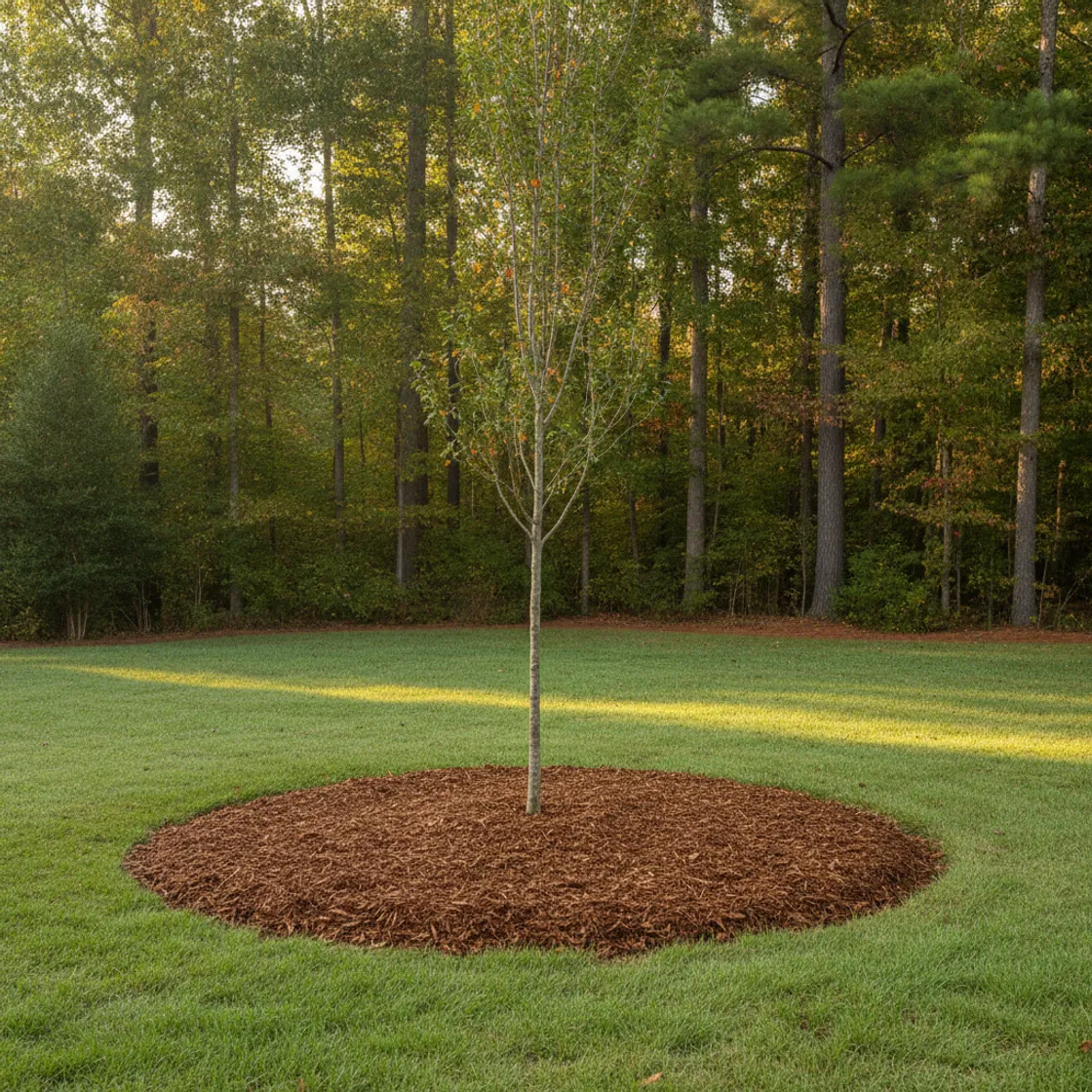
Watering works best as part of a simple spring routine: a fresh ring of mulch to hold moisture and moderate the soil, a walk around each tree to check for winter damage and pests, and deep watering during dry stretches. A little consistent care in spring is worth far more than a rescue effort in the heat of August.
How Engram's Tree Service can help
Good watering is the foundation, and we are glad to help you keep the trees on your property strong. If a tree is not responding to care, our certified arborist can assess it for a pest, disease, or structural issue, and handle any pruning it needs. For our fuller seasonal checklist, see our spring tree-care tips, and reach out any time for a free estimate.