Not every tree that sells well at the garden center belongs in your yard. Some grow fast and cheap and then spend the next twenty years causing problems, from split trunks to broken sewer lines. Here are three we are often called out to deal with, and why we would steer you toward something else.
The Bradford, or Callery, pear
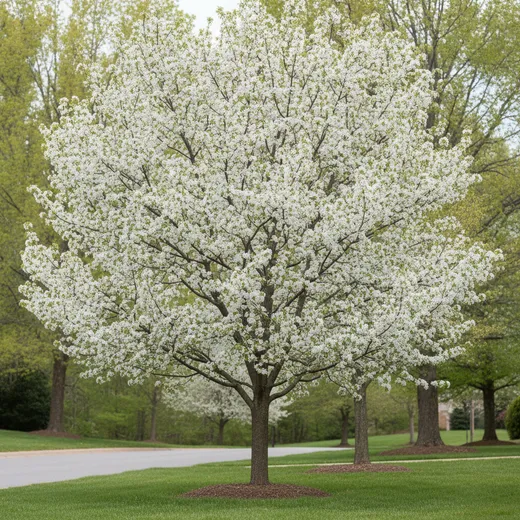
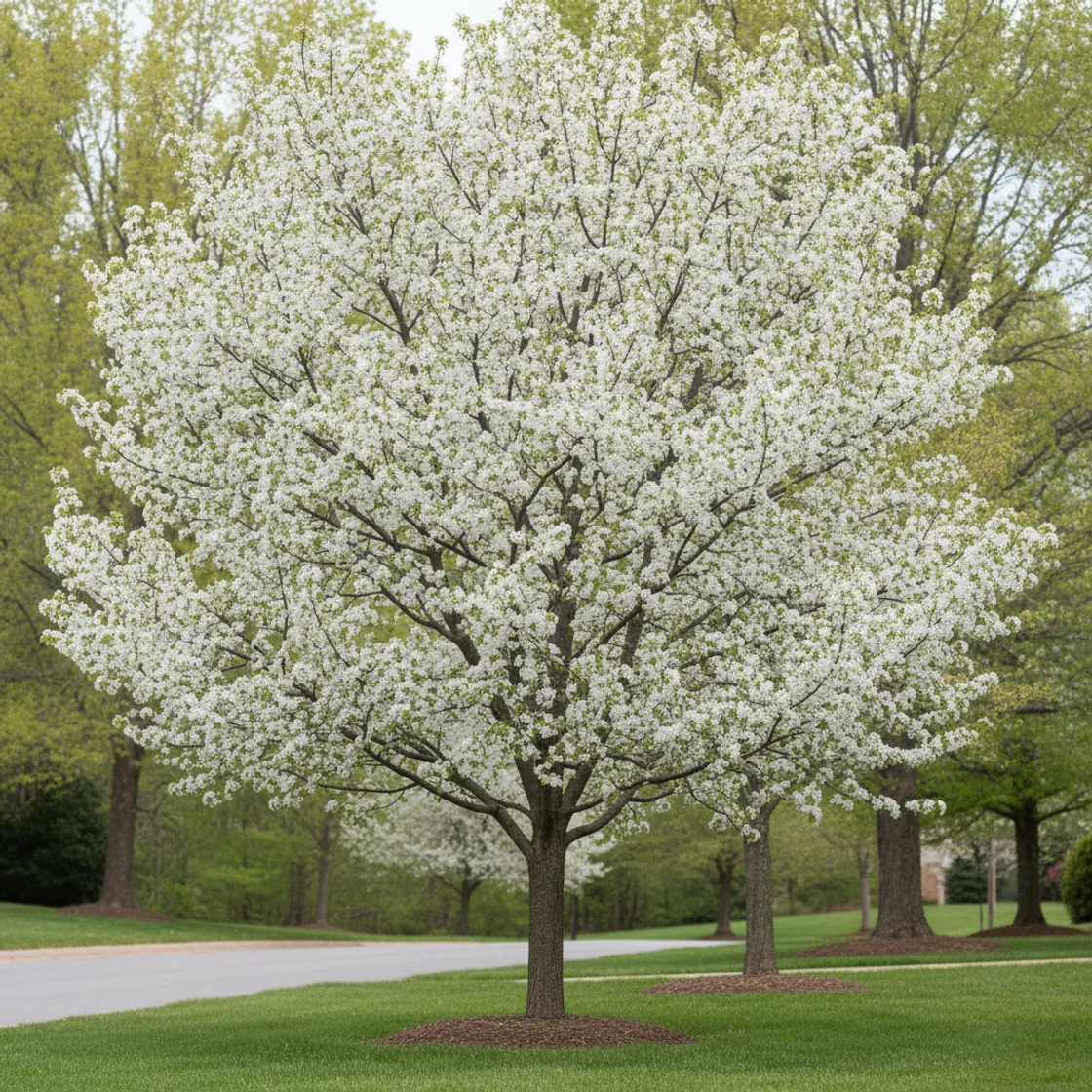
The ornamental pear is beautiful for about two weeks each spring, covered in white blossoms, and it is one of the most problematic trees you can plant. Its branches all emerge from nearly the same point on the trunk with weak, tight unions, so a mature Bradford pear is notorious for splitting apart in wind, ice, or simply under its own weight, often right down the middle. It is also invasive, spreading into natural areas, and its blossoms carry a smell most people would rather not describe. Many communities now actively discourage it.
The silver maple
Silver maple is tempting because it grows fast and gives shade quickly, but you pay for that speed. The wood is weak and brittle, so the tree readily drops limbs in storms, and its roots are aggressive and shallow, notorious for buckling sidewalks and driveways, invading water and sewer lines, and surfacing in the lawn where they fight the mower. Fast shade is a poor trade for decades of that.
The sycamore
Sycamores are grand, but they are grand in ways most yards cannot handle. They grow enormous, far bigger than people expect, so they quickly overwhelm a typical lot and hang heavy limbs over the house. They are messy, constantly shedding bark, leaves, and seed balls, and they are prone to anthracnose, a fungal disease that browns and drops their leaves. For a big open property, maybe; for an average yard, they are usually more than you bargained for.
Plant something that will thank you
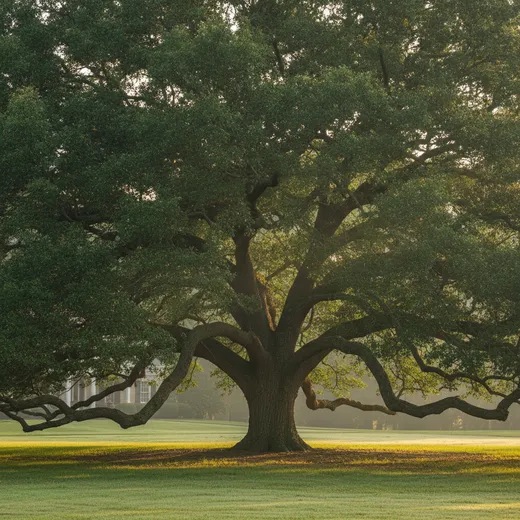
The good news is that north Georgia has wonderful trees that are strong, well-behaved, and long-lived: native oaks, maples suited to our region, dogwood and redbud for spring color, and many more. Matching the tree to the spot, its mature size, the light, the soil, and how close it is to the house, is the whole game, and it is worth a little planning or a quick conversation before you dig the hole.
How Engram's Tree Service can help
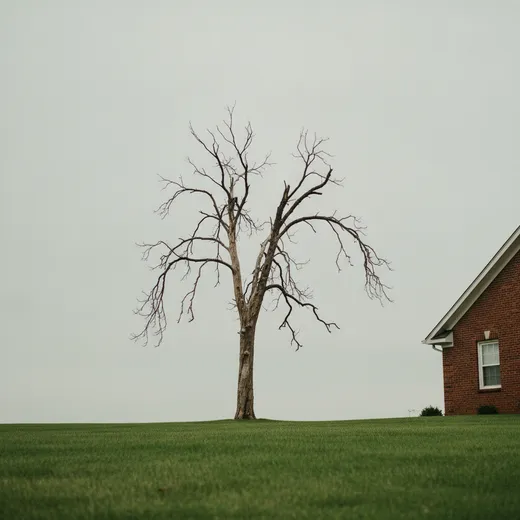
If you already have one of these trees and it is splitting, heaving the driveway, or hanging over the roof, our certified arborist can assess it and tell you honestly whether to keep managing it or replace it. When removal is the answer, our crew and crane handle it cleanly. Reach out for a free estimate and we will take a look.